
Our Plastering Services
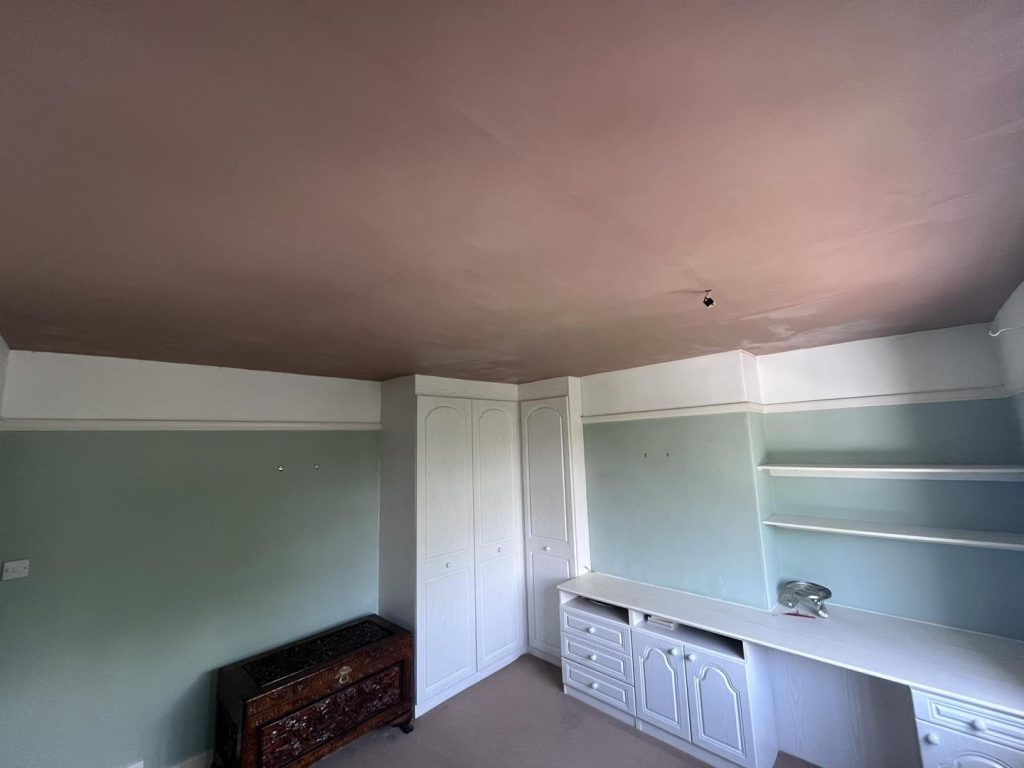
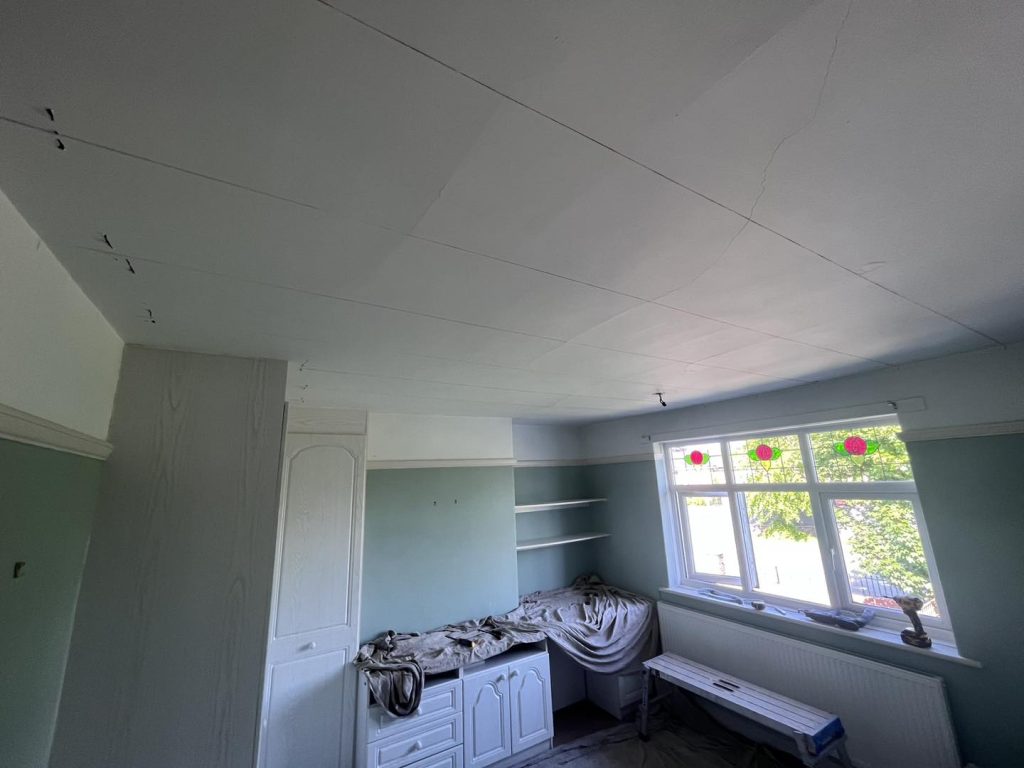
Discover the pinnacle of craftsmanship with DT Plastering Services & Damp Proofing Specialists' unrivaled plastering services. With a legacy of over a decade, we have perfected the art of transforming interiors into seamless canvases of elegance. Our skilled artisans bring life to walls, ceilings, and surfaces, achieving flawless finishes that captivate the eye. From traditional to contemporary designs, we tailor our approach to match your vision, infusing each project with precision and finesse. With DT Plastering Services & Damp Proofing Specialists, your space becomes a testament to quality and sophistication, reflecting our unwavering commitment to excellence in every stroke and texture. Experience the transformation firsthand by entrusting your plastering needs to the experts who turn ordinary spaces into timeless works of art.
Duties & responsibilities
Plastering provides a protective layer for various surfaces, such as walls and ceilings. It helps shield the underlying structure from moisture, weather elements, and general wear and tear. Plaster acts as a barrier against water infiltration, preventing damage to the building materials and reducing the risk of mold or mildew growth.
The duties and responsibilities of a plasterer can vary depending on the specific project and scope of work. However, here are some common tasks associated with the role:
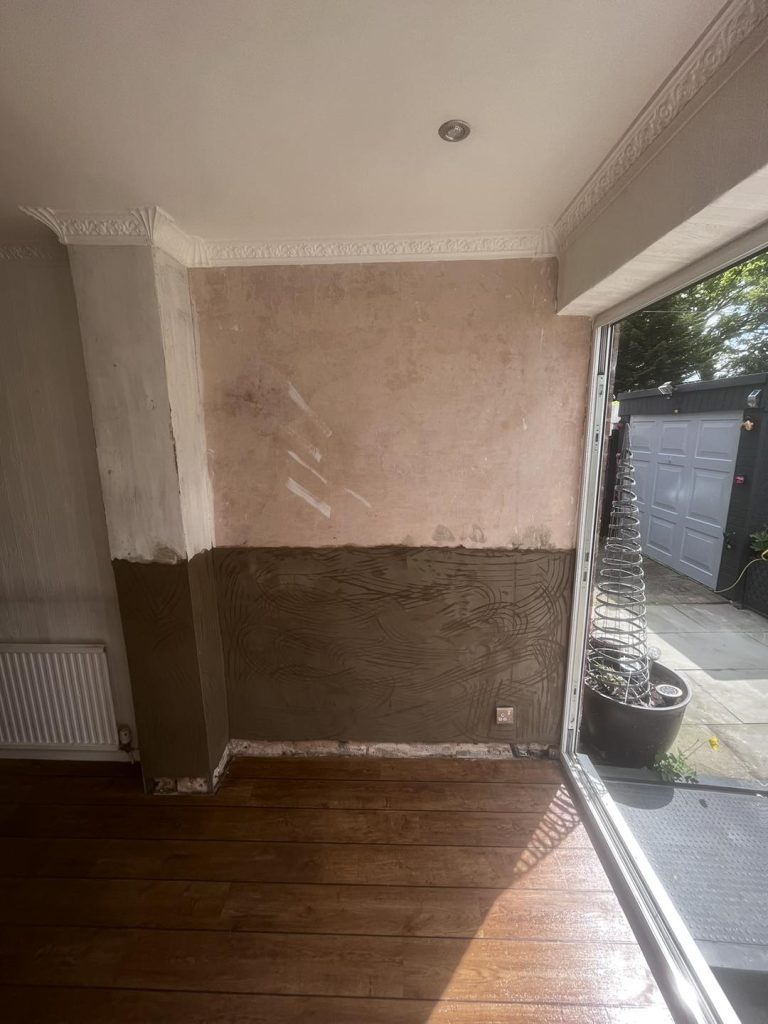
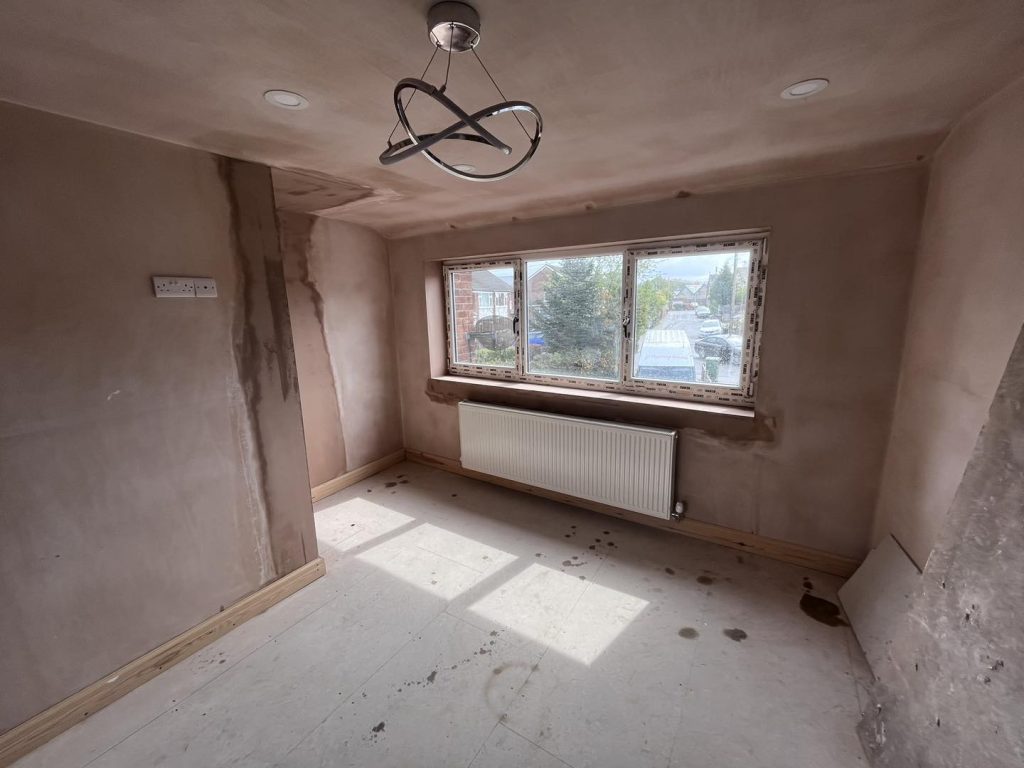
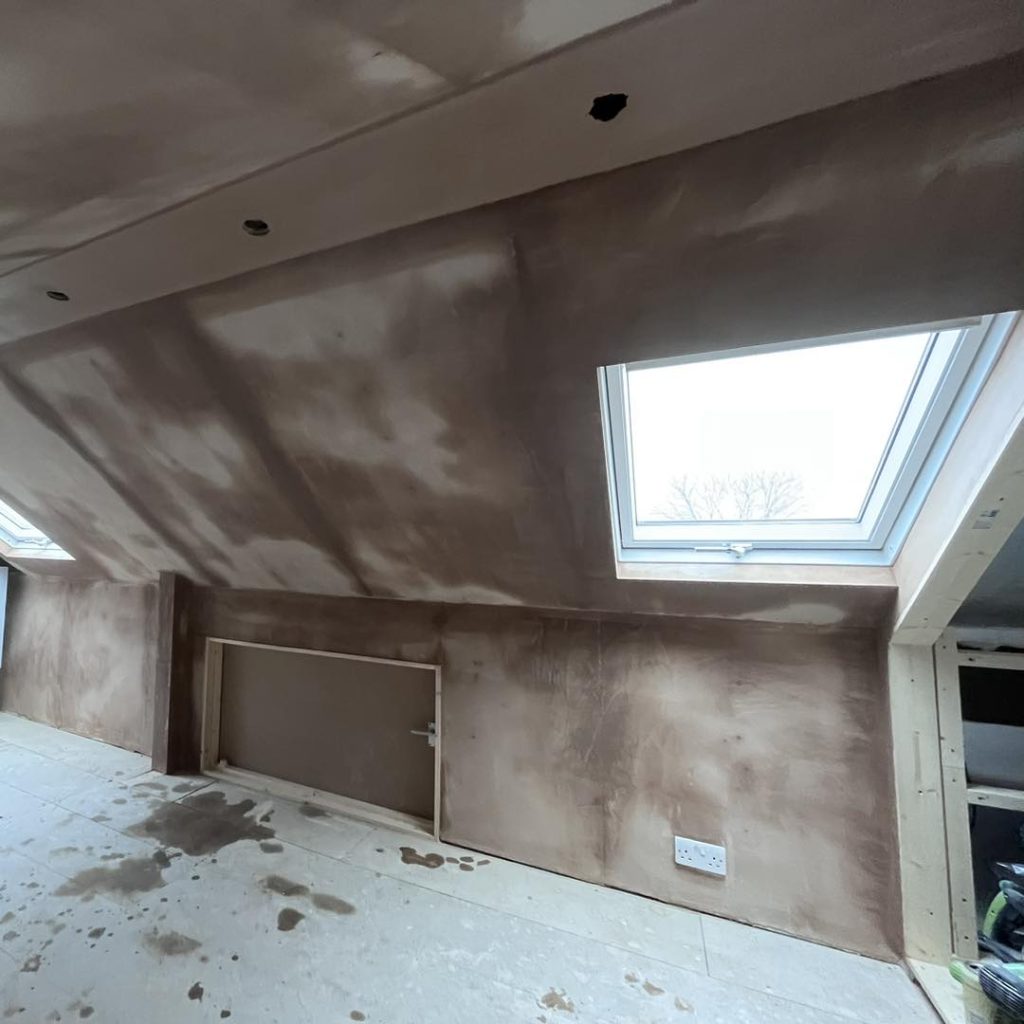
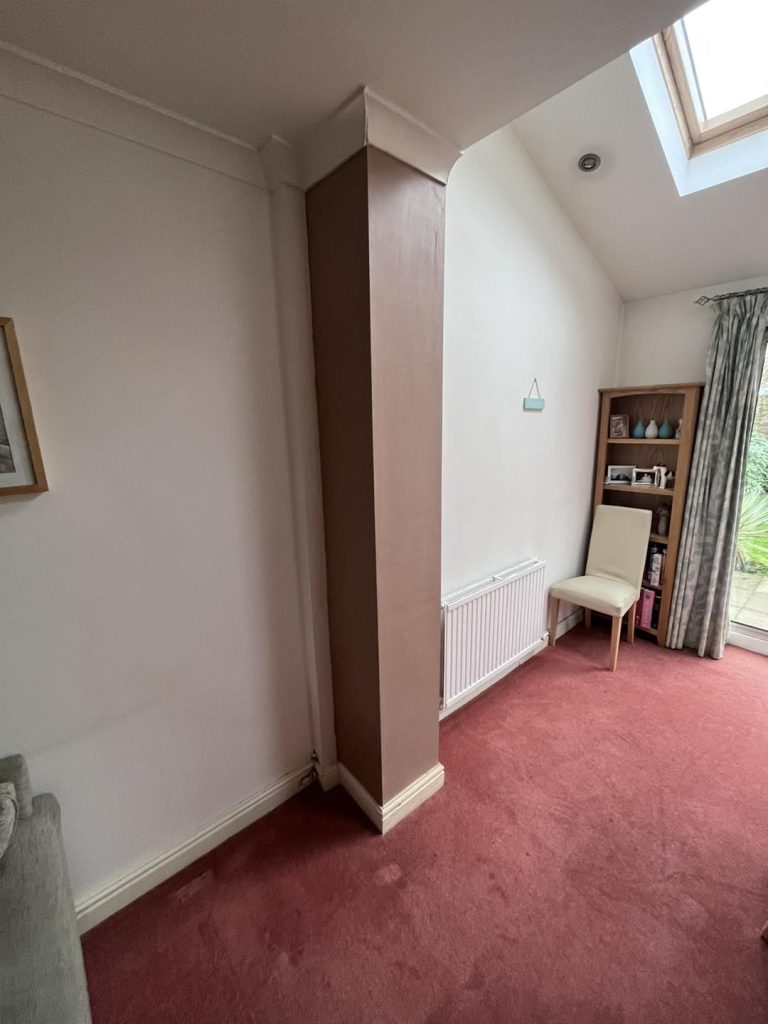
Types of Plasterers
There are different types of plasterers, each specialising in specific aspects of the plastering trade. Here are a few common types of plasterers:
Solid Plasterer: Solid plasterers focus on traditional plastering techniques, working with materials like gypsum plaster or cement render. They apply plaster directly to surfaces such as walls, ceilings, or partitions to create a smooth and even finish. Solid plasterers may also be skilled in decorative plasterwork, such as creating ornate moldings or intricate designs.
Drywall Finisher: Drywall finishers, also known as drywall tapers or finish carpenters, specialize in working with gypsum board (drywall) to create seamless and smooth surfaces. They apply joint compounds, also known as mud, to cover and conceal the joints between drywall panels, as well as nail or screw indentations. Drywall finishers carefully sand and feather the compound to achieve a flawless finish ready for painting or other wall treatments.
Contact DT Plastering Services and Damp Proofing Specialists for Inquiries & Booking Arrangements
Our damp proofing
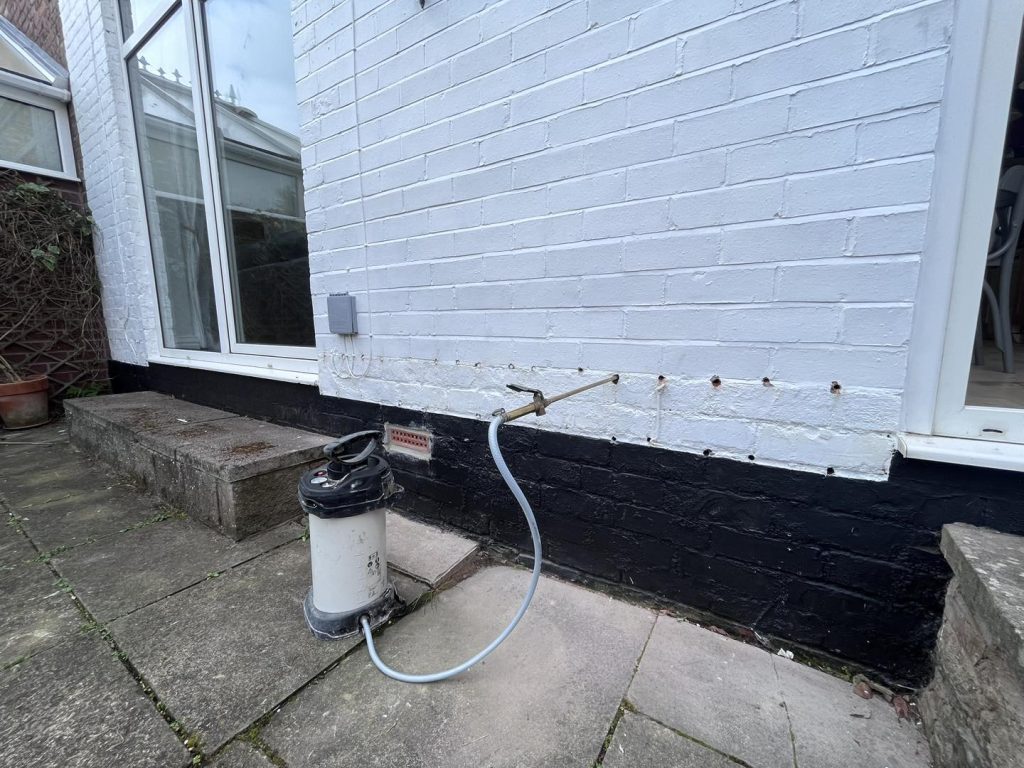
Eradicate the menace of dampness with DT Plastering Services & Damp Proofing Specialists' exceptional damp-proofing services. Our proven techniques and state-of-the-art solutions shield your property from the damaging effects of moisture. From rising damp to condensation issues, our adept team employs strategic methods to ensure a dry and secure environment. With a solid reputation built over a decade, we stand as your reliable partner in preserving the integrity of your space. Experience the assurance of a damp-free future with DT Plastering's unparalleled expertise.
What causes Rising Damp
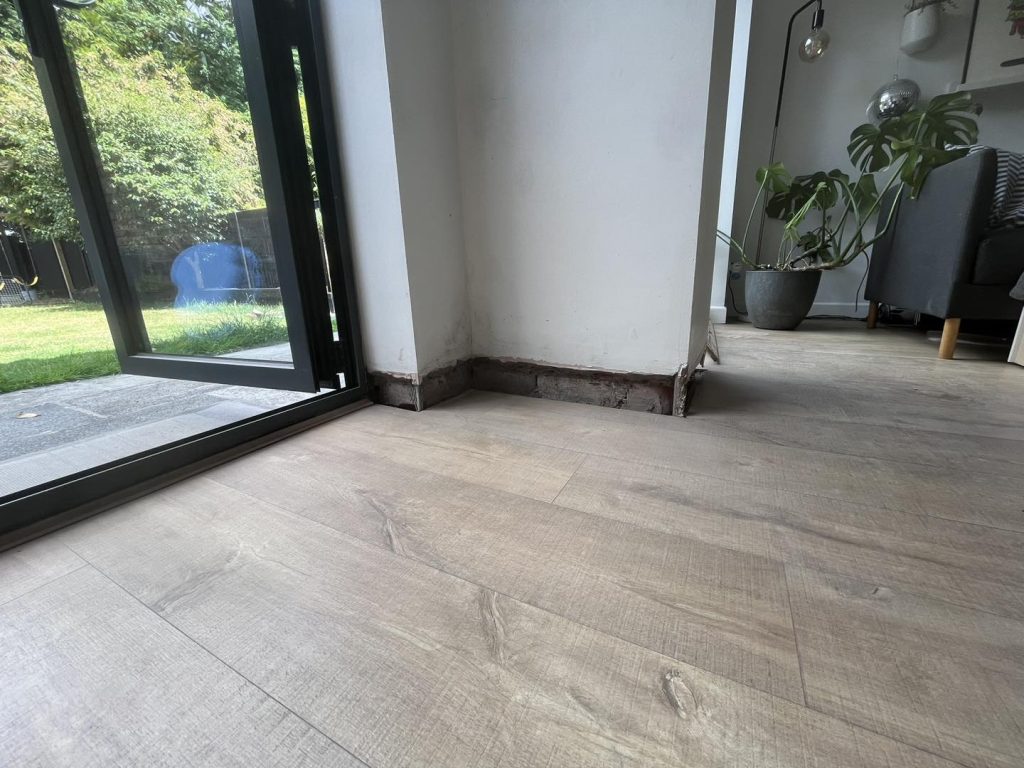
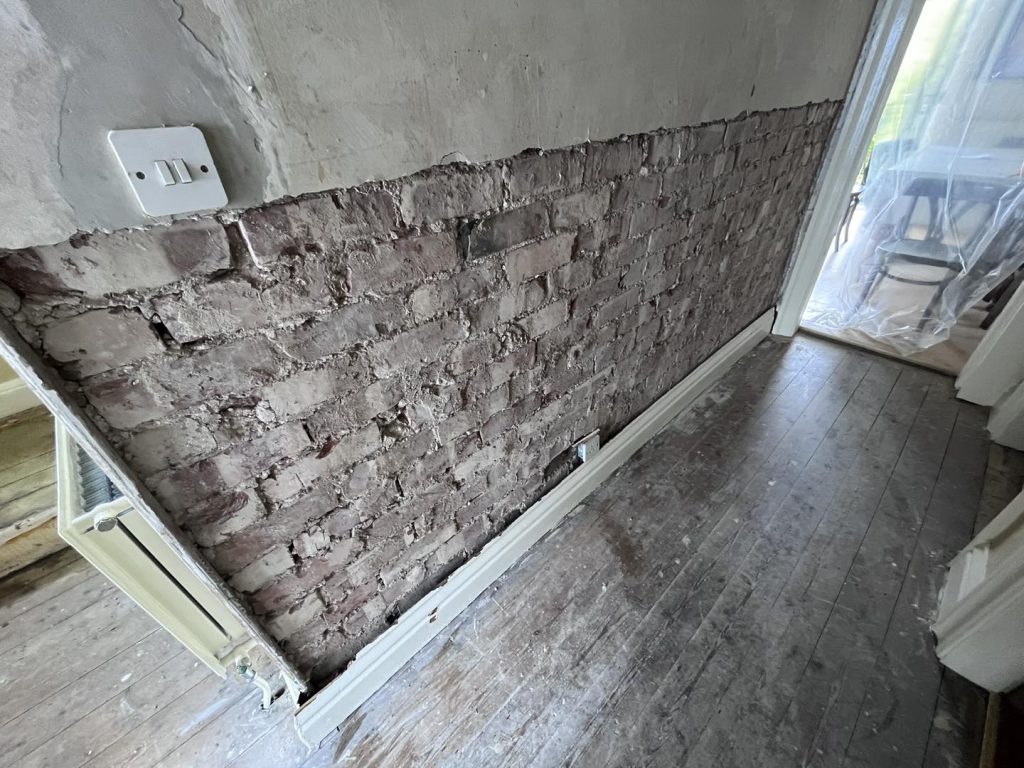
Rising damp refers to the upward movement of moisture within building materials through capillary action. If this moisture infiltrates susceptible materials, it can pose a significant concern, especially when it occurs in occupied areas of the building. A damp-proofing course is in place in newer properties to prevent this phenomenon and safeguard your property from such issues. However, when the damp-proof course is old, damaged, or improperly installed, it allows moisture to ascend through the brickwork or stonework, impacting the internal surfaces of your property.
What happens if rising damp is left untreated
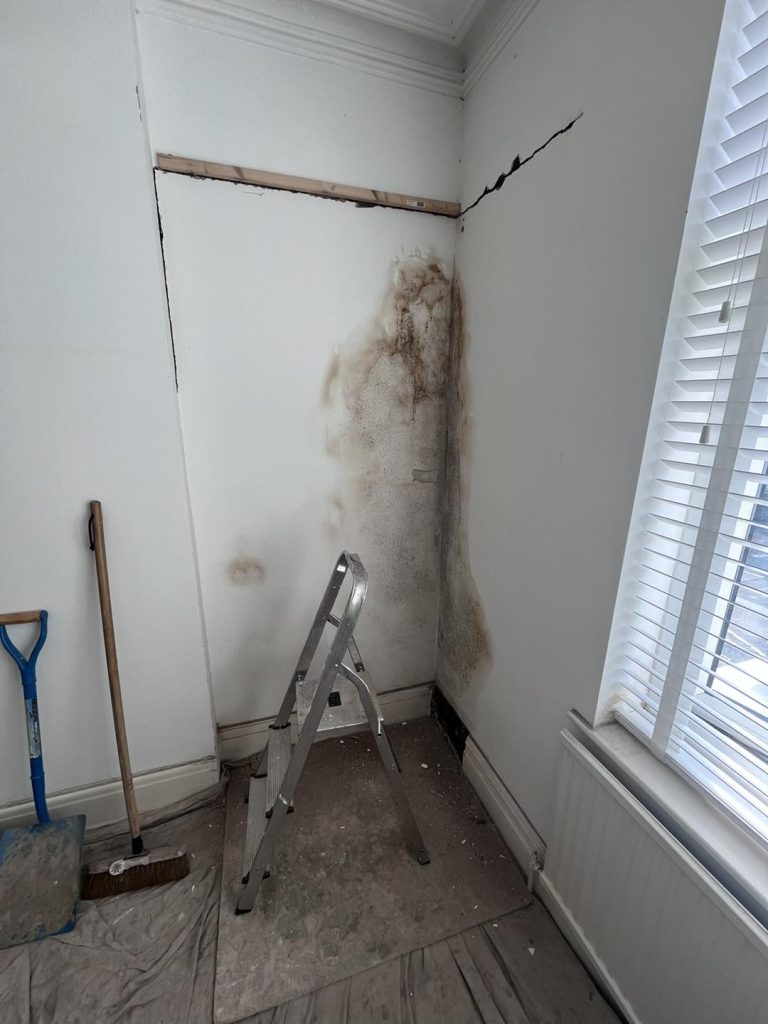
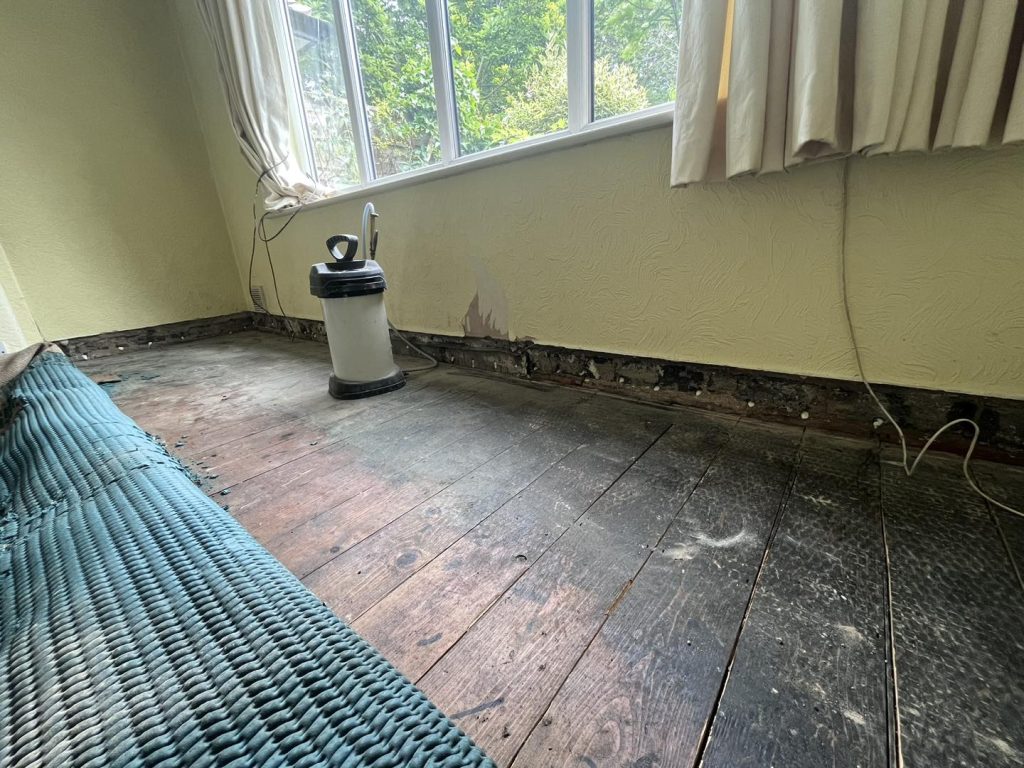
Failure to promptly address damp conditions can have a severe impact on your property's walls. Excessive dampness can harm both the internal wall structure and the vulnerable timber components, which, in many older properties, can constitute up to seventy-five per cent of the overall structure. Keeping your timber dry is crucial for safeguarding this integral element of your building's integrity.
Dampened timbers may potentially lead to the growth of dry or wet rot. These conditions break down the wood cells, rendering the timber soft and spongy. Often, the wood loses its strength, darkens, and becomes prone to crumbling and potential disintegration due to fungal infestation.
Among these, dry rot stands out as one of the most destructive fungal infestations that can affect your moistened timber and severely impact your property. Dry rot is a fungus capable of spreading across both timber and masonry. It can potentially invade any part of your house and even penetrate your neighbour's property through shared walls. This fungus proliferates rapidly, necessitating urgent treatment when a dry rot infestation is detected.
Furthermore, neglecting to rectify elevated moisture levels and dampness in your property can attract wood-destroying insects, commonly known as woodworms. Woodworm is the larval stage of wood-boring beetles. These insects feed on the timber in your property, potentially causing a progressive weakening of your property's structural stability. Specialists can prescribe the appropriate remedial measures to eliminate the infestation from your property.
treating rising damp
To effectively address the issue of rising damp, it is essential to accurately pinpoint its root causes before determining the appropriate remedial treatment. One of the most common mistakes made by property owners when dealing with rising damp is attempting quick fixes to mask the problem. Simply painting over visible dampness will not resolve the underlying issue; instead, it will incur additional expenses for cosmetic repairs without addressing the source of the damp problem.
external penetrating damp symptoms
It is important for property owners to note that penetrating damp symptoms can be prevalent and affect both the internal and external fabric of your property.
Damaged Brickwork
Damaged brickwork on external walls is one of the most common symptoms of penetrating damp. This tends to be caused by frost damage over time. As moisture freezes it expands. If this moisture has penetrated the brickwork it will expand in freezing conditions which can easily result in cracks within the structure of the wall.
Moss On Brickwork
Walls that are damp provide the perfect platform for algae and moss to grow. Damp being able to penetrate masonry provides an ideal location for moss to develop, which can result in an unsightly appearance. The excessive damp to the wall may be due to defective rainwater gutters or downpipes which allow water to run down the wall.
Where Can Penetrating Damp Occur?
Buildings which have been built with solid walls are considerably more likely to suffer from damp as a result of penetration of moisture than properties built with cavity walls. Cavity wall construction includes an air gap between the external and internal walls. This ensures that moisture is not given easy access to the internal walls.
It is important to note that cavity walls are not entirely exempt from penetrating damp. Cavities within walls can commonly become blocked, which provides water with a bridge to travel over. This allows moisture access to the internal wall, despite the air gap being designed to prevent this from happening. Numerous cavity walls have had insulation fitted years after the property was built which fills the gap between the walls. If the outer wall of the cavity allows rainwater to penetrate then this could soak the insulation in the cavity. The wet insulation then transfers the moisture to the inner wall resulting in damp affecting the wall inside the property.
what causes penetrating damp
Accurately locating the source of a penetrating damp issue is essential with regard to resolving the overall penetrating damp problem. Penetrating damp can be caused by various property issues.
The most common causes have been listed below alongside potential solutions.